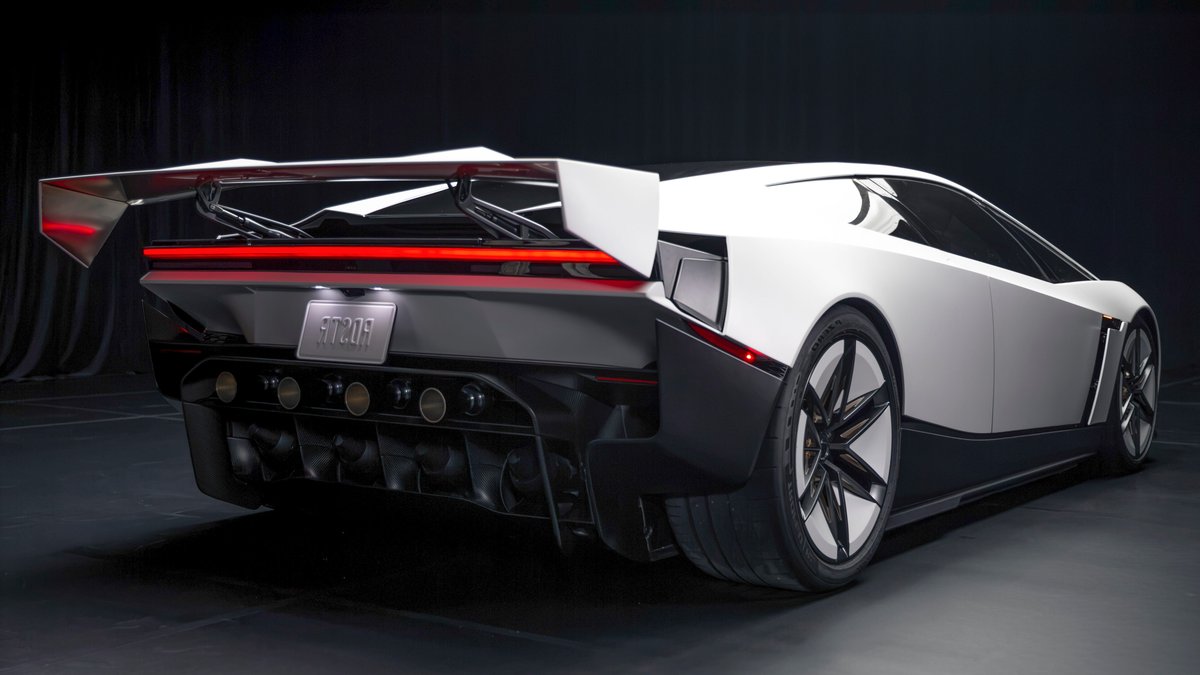
Tesla’s ambitious plan to use SpaceX-derived cold gas thrusters in its Roadster has sparked debate. The company claims these thrusters will help the car achieve a 0-60 mph time of 0.8 seconds, but experts are skeptical.
The Science Behind the Thrust
The Roadster’s proposed system uses high-pressure nitrogen stored in composite over-wrapped pressure vessels (COPVs). This technology, borrowed from SpaceX, creates thrust by venting gas through special nozzles, generating a force of up to 80 kilonewtons.
According to the plan, the Roadster will have a 200-liter COPV behind the seats, connected to four titanium thruster nozzles. The system is designed to provide a 0.14-second impulse of thrust around 30 mph, contributing to the car’s acceleration.
Safety Concerns and Practicality
The use of 10,000-psi COPVs in a consumer vehicle raises safety concerns. While Tesla assures that the vessels are robust, similar pressure vessels have been linked to SpaceX accidents. The Roadster’s design places the COPV behind the driver, adding a layer of risk.
The system’s practicality is also questioned. The thrusters are expected to consume 15-22 kg of nitrogen per run, with the COPV holding over 100 kg. While this allows for multiple runs, the overall benefit to the car’s performance is uncertain.
Performance Claims and Records
Tesla executives claim the Roadster will reach “230-plus mph”, with Elon Musk suggesting Mach 0.5 (368 mph) is possible. However, the car’s use of thrust may disqualify it from official speed records, as it would fall into the Unlimited land speed class, where the record is 763.035 mph.
The Roadster’s acceleration claims are equally impressive, but they rely on the wheels receiving their full share of the 1MW (1,341 hp) electric motor output. This raises questions about the car’s overall energy management and the feasibility of achieving such numbers in real-world conditions.
As Tesla pushes the boundaries of automotive technology, the Roadster’s thrust system represents a bold experiment. While it may not set official records, it showcases the company’s willingness to innovate and challenge conventional wisdom. The car’s success will depend on its ability to balance performance, safety, and practicality, leaving enthusiasts and critics alike eager to see the results.


