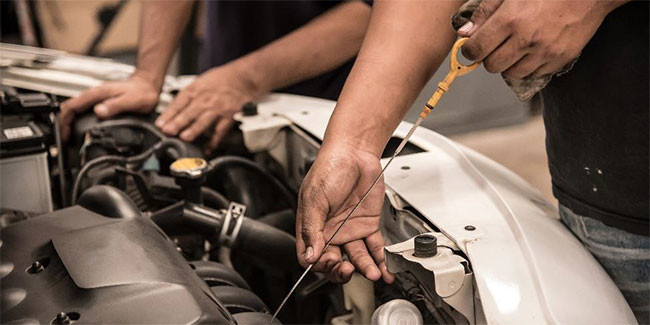
Modern vehicles are sophisticated machines, relying on the precise interaction of hundreds of components to operate safely and efficiently. Over time, these systems naturally experience wear, which can affect everything from fuel economy to the overall handling of the car. Understanding how to manage these needs as they emerge is part of responsible vehicle ownership, helping to ensure the car remains a reliable tool for daily transportation.
Understanding the Role of Professional Maintenance
Vehicle care is best viewed as a continuous process rather than a set of isolated events. Many drivers wait until a warning light appears or a noticeable change in performance occurs before seeking assistance. While this reactive approach is common, it often leads to more significant mechanical concerns that could have been addressed during a routine check.
When you bring a vehicle to a professional facility, the process typically begins with a comprehensive assessment. Technicians look beyond the specific complaint to identify the underlying cause of an issue. This systematic evaluation might involve checking fluid levels, inspecting belts and hoses for signs of deterioration, and listening for unusual sounds that may indicate early-stage component fatigue. By identifying these patterns early, drivers can often avoid larger problems, helping the vehicle maintain its performance over a longer period.
The Importance of Proper Tire and Suspension Alignment
One of the most essential aspects of maintaining a vehicle is ensuring that the tires and suspension are correctly aligned. Over the course of regular driving, various forces—such as hitting minor road hazards or simply the accumulation of miles—can cause these components to shift slightly from their ideal positions. When a vehicle is out of alignment, the tires may experience uneven wear, which can lead to a shorter lifespan for a set of tires.
Drivers who are looking for a wheel alignment near me often notice symptoms such as the car pulling consistently to one side, the steering wheel sitting off-center, or the vehicle feeling less responsive during turns. Addressing these concerns is a standard part of routine maintenance. A professional shop uses specialized equipment to measure the angles of the suspension and make the necessary adjustments to return them to the manufacturer’s specifications. This not only preserves the tires but also contributes to a smoother, more predictable driving experience.
Sourcing Quality Components and Expert Service
When it is time for repairs or scheduled parts replacement, the quality of the components used can influence the outcome. For residents of the area who need reliable auto parts in Cuero, TX, the focus should always be on identifying parts that meet the specific design requirements of the vehicle. Using components that are properly matched to the make and model helps ensure that the repair integrates seamlessly with the existing systems.
It is helpful to ask a service provider about the type of parts they recommend. A thoughtful technician can explain the reasoning behind their choices, whether they are suggesting a specific brand for its durability or a certain type of fluid for better performance in the local climate. This transparency is a hallmark of a professional approach. When selecting a facility for repairs, consider factors such as the range of services offered, the cleanliness of the shop, and the willingness of the staff to discuss the work being performed in clear, understandable terms.
Signs That Your Vehicle Requires Inspection
Recognizing the subtle cues your vehicle provides can help you time your maintenance visits effectively. Some signs are auditory, such as squealing sounds when braking or grinding noises that occur while the vehicle is in motion. Others are tactile, such as vibrations in the steering wheel or a pedal that feels softer than usual.
Changes in how a vehicle handles are also noteworthy. If the car feels less stable on the road or if it takes longer to come to a stop, these are signals that the braking or steering systems require professional evaluation. Furthermore, any changes in fluid levels or the appearance of spots on the garage floor should be addressed, as these can be early indicators of leaks that may worsen if ignored. Consistency is the primary goal; by keeping up with a regular schedule for oil changes, tire rotations, and general inspections, you can keep the vehicle in a reliable state of repair.
Building a Long-Term Relationship with a Service Provider
Consistency in maintenance is significantly easier when you establish a relationship with a local service facility. A shop that knows your vehicle’s history is better equipped to spot emerging issues before they become urgent. They can keep records of previous services, remind you when it is time for a seasonal check-up, and provide consistent advice on the specific needs of your car.
This partnership allows for a more proactive approach to vehicle ownership. Rather than worrying about when a part might fail, you have the peace of mind that comes from knowing a professional is monitoring the vehicle’s health. Whether it is performing a standard alignment or sourcing specific auto parts in Cuero, TX, a reliable provider works with you to prioritize repairs based on necessity and safety.
Maintaining Performance Over the Long Term
The goal of consistent maintenance is to ensure the vehicle continues to function as intended throughout its operational life. Every car has a set of requirements designed to keep its mechanical systems moving correctly, from the cooling system that prevents overheating to the electrical components that power everything from headlights to internal sensors.
As you look toward the future of your vehicle, think about maintenance as an investment in its reliability. By staying attentive to how the car drives and keeping up with professional care, you are helping to ensure that the vehicle remains a dependable part of your daily routine. Taking the time to find a quality provider for wheel alignment near me or general repairs is a practical step that supports the safety and longevity of your investment, providing confidence every time you get behind the wheel.


