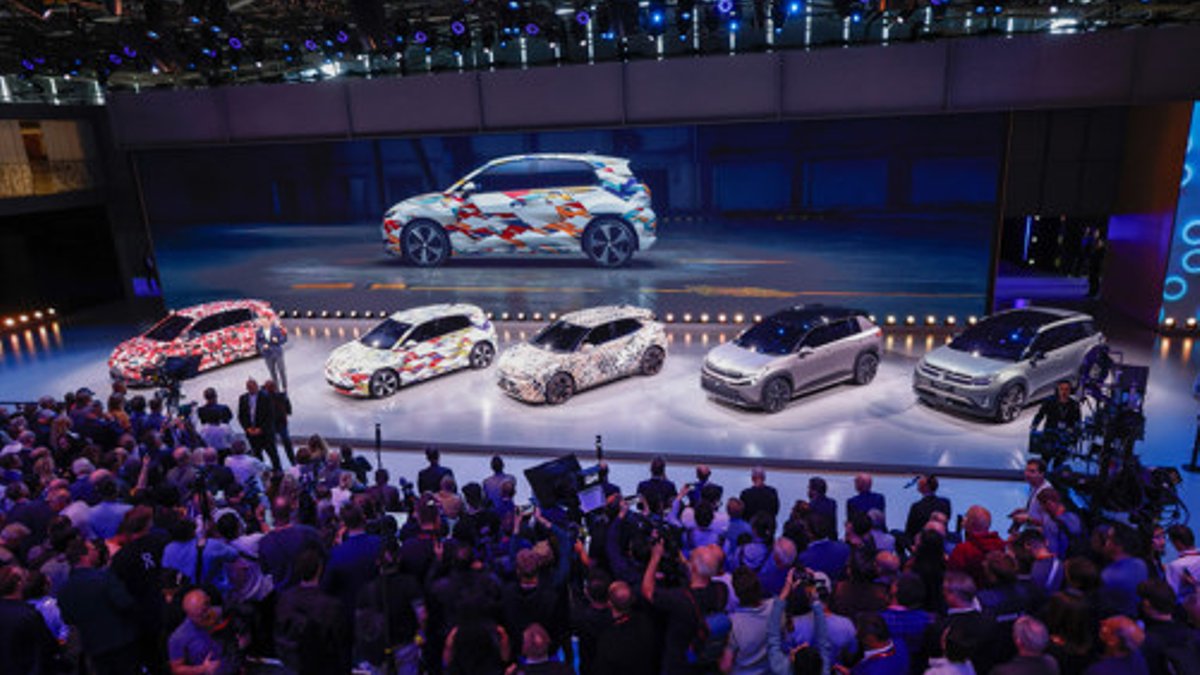
Volkswagen Group is consolidating its main brands to reduce expenses and improve declining profits as sales in China continue to drop.
A new executive committee now oversees Brand Group Core, which includes Volkswagen, Skoda, Seat/Cupra, and Volkswagen Commercial Vehicles. The reorganization aims to simplify decision-making and strengthen collaboration across the four brands.
Shared decisions, separate identities
The brands will maintain their individual market positions and branding, but key operations—finance, procurement, production, and technical development—will be managed collectively. A formal agreement establishes guidelines for transparency, information-sharing, and joint decision-making.
Regional teams will take on greater responsibility for cross-brand planning, manufacturing, and logistics. These adjustments are projected to save €1 billion by 2030.
David Powels, finance chief for Volkswagen Passenger Cars and Brand Group Core, described the financial results as uneven. While cost-cutting measures helped offset some expenses, revenue growth failed to match rising vehicle sales, reflecting pricing and product mix challenges.
Profits rise in core brands, fall group-wide
Brand Group Core posted a 4.5% increase in operating profit to £3.08 billion in the first half of 2026. Revenue edged up 0.8% to £62.39 billion, and unit sales climbed 2.5% to 2.59 million vehicles, excluding China.
Related: What Are The Companies That Offer The Best Car Insurance?
The broader Volkswagen Group experienced an 11.6% decline in operating profit to £5.04 billion, with revenue holding steady at £135.06 billion. Vehicle sales dropped 8.4% to four million, largely due to a 31.6% decrease in China. Additional costs of £427 million were recorded for ending ID4 production in the U.S.
The group adjusted its full-year sales outlook to a range from 3% below last year to flat but maintained its operating margin forecast at 4% to 5.5%.
Skoda outperformed other core brands with an 8.5% operating margin. Seat/Cupra reversed a £32 million loss into a £104 million profit. Cupra achieved record sales of 170,100 vehicles, and orders for its electric models surged following the launch of the Raval.
If successful, the savings could help counter the effects of U.S. tariffs, stricter regulations, and competition from Chinese automakers. The group’s ability to implement these changes without diluting the unique appeal of its brands will determine the strategy’s success.
For now, cost control remains the priority. Powels acknowledged the group is not meeting its goals, though early results from Brand Group Core indicate the new structure is beginning to deliver benefits.


