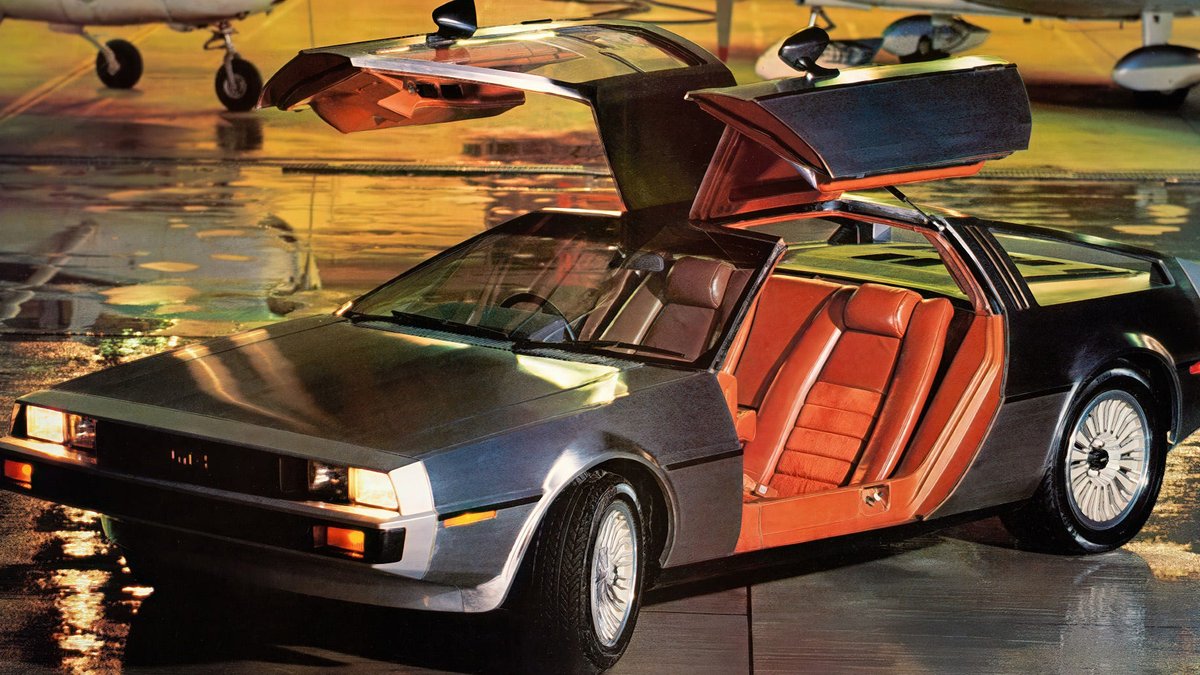
The 1979 DeLorean is a car that was designed with a unique approach, as described by John Z. DeLorean, who aimed to create “a smaller version of Mercedes-Benz.” This means the company and the car would prioritize engineering principles, attention to detail, and sensitivity to the environment, much like Mercedes-Benz.
The DeLorean Philosophy
DeLorean’s goal was to build an “ethical car,” which would differ from other cars by incorporating values that others may not provide. For instance, the DeLorean would not undergo ritual annual model changes solely for the sake of change, and its design would focus on model continuity.
The materials used in the DeLorean, such as plastics, stainless steel, and aluminum, were chosen for their durability, light weight, and resource efficiency. According to John Z. DeLorean, over the car’s operating lifetime (12 years and 12,000 miles per year), it would save about 55 barrels of crude oil per car compared to the Corvette.
DeLorean’s approach to the auto business is centered around making money for investors and himself, but he believes that meeting people’s needs through thoughtful design and manufacturing will ultimately lead to better economic outcomes. By spending more initially on creating a car that will save its owner money in the long run, DeLorean aims to create a more sustainable business model.
The Car’s Design and Development
DeLorean decided to start with a two-seater sports car, which would allow him to enter a market with relatively little competition. As a former Chevrolet general manager, he was aware of the Corvette’s profitability and saw an opportunity to create a sports car with less flamboyance.
John Z. DeLorean had specific ideas about the sports car’s design, including gullwing doors and a rear-mounted engine. The engine’s placement was chosen for its potential to improve crash survivability and provide a more sleek design. DeLorean notes that a mid- or rear-engined car is “a little bit sexier” than a conventional layout.
Read Also: Lamborghini skips Nürburgring record attempt
The choice of engine was a challenging aspect of the car’s design. DeLorean initially attempted to secure a two-rotor Wankel engine but ultimately settled on the PRV V-6 engine, which would be mounted behind the rear axle. This decision was made after considering various other options, including a German Ford V-6 and a Citroën four-cylinder engine.
William T. Collins, Jr., who was hired from GM to lead the car’s development, made significant progress on the design, including the use of a new process to create the car’s underbody. This process produces exceptionally light yet rigid panels.
The car’s styling was handled by the Italian design firm Ital Design’s Giorgetto Giugiaro, who was chosen for his reputation, ability, and cost. Giugiaro’s design featured a brushed-finish stainless steel skin, which would provide a durable and practical exterior. The first prototype was completed in October 1976.
On October 25, 1976, Bill Collins was able to drive the first DeLorean prototype, marking a significant milestone in the car’s development. The second prototype, featuring the 2.7-liter PRV engine, was completed in August 1977. Collins planned to complete a third design prototype with a higher percentage of parts made from the new process, air conditioning, and a new front suspension by the end of 1977.
Experience with these prototypes would inform the final design for production, with preproduction molding dies to be made over the winter and ten more prototypes to be built in the spring of 1978. These prototypes would undergo various tests, including air conditioning, durability, emissions qualification, and bumper and crash tests, to set the final specifications for the 1979 DeLorean.
By the fall of 1978, the final specifications should be set, and the production line could start running in December of that year with the 1979-model DeLoreans.


