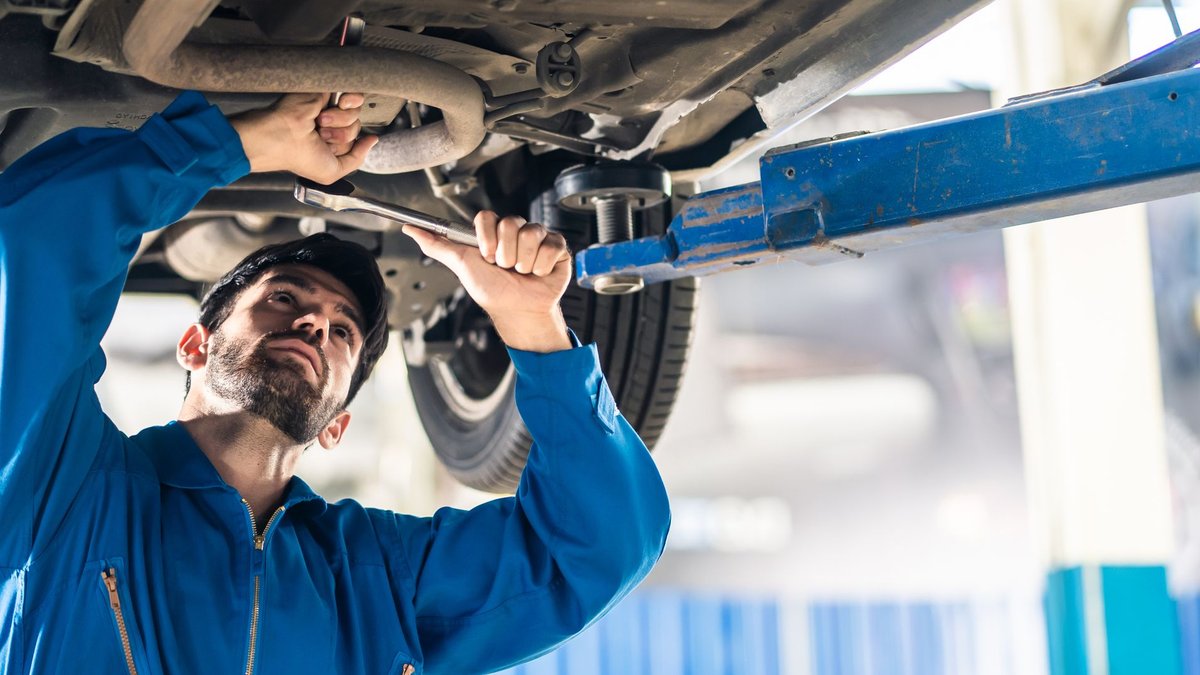
Canadian drivers are now paying more for vehicle repairs than in any previous year, with service costs reaching unprecedented levels. The latest data from JD Power reveals that the average expense per service visit has climbed to $443, up from $415 in 2025. Dealerships are the primary driver of these increases, with their average per-visit cost now at $566—a 51% rise since 2020—while aftermarket shops charge $323, which represents a 34% increase over the same period.
This surge in spending coincides with a shift in where drivers choose to take their vehicles. Owners are nearly evenly divided in their preferences, with 49% opting for dealerships, 28% selecting aftermarket chains, and 23% visiting independent shops. The decline in independent shop visits, down from 26% in 2025, marks a notable trend in consumer behavior.
Dealerships capture most revenue—but aftermarket providers excel in customer satisfaction
Despite handling fewer visits overall, dealerships account for 63% of total service revenue. This dominance stems from higher per-visit charges and the complexity of repairs they manage. However, aftermarket providers surpass dealers in key satisfaction areas. For instance, 94% of aftermarket customers report their repairs were completed correctly on the first attempt, compared to 91% at dealerships. Aftermarket shops also outperform in customer-focused advice, with 91% of their clients rating the guidance highly, versus 89% at dealers. Additionally, 69% of aftermarket customers experience faster vehicle pick-up than the 52% seen at dealerships.
Dealers maintain strong customer loyalty, with 47% of recent visits coming from owners who had previously used the same service department. Location and the reputation of the sales department also influence choices, as 28% of drivers select dealers for convenience, and 23% base their decision on past sales interactions.
Electric vehicles favor dealerships, and the trend may intensify
The type of vehicle significantly affects repair preferences. Aftermarket shops handle 51% of repairs for internal-combustion engine (ICE) vehicles but only 34% for zero-emission vehicles (ZEVs), which include all-electric and plug-in hybrids. Owners of ZEVs show greater trust in dealerships for complex repairs, with 42% preferring them over the 36% of ICE vehicle owners who do the same.
This shift could pose challenges for aftermarket providers as ZEVs gain traction. Projections indicate that 43% of new vehicle sales in Canada will be ZEVs by 2035, rising to over 60% by 2040. The growing adoption of ZEVs may force aftermarket shops to adapt or risk losing market share to dealerships, which already control the majority of service revenue.
Owners also tend to visit dealerships more frequently than aftermarket locations. On average, drivers service their vehicles 1.8 times per year at dealerships, compared to 1.5 visits annually at aftermarket shops, a pattern that has remained consistent since 2025.
Lexus and Mercedes-Benz top dealer satisfaction, aftermarket chains compete closely
Among dealerships, Lexus and Mercedes-Benz lead in customer satisfaction, each earning 841 points on a 1,000-point scale. Toyota, Honda, and Mazda follow closely, while brands such as Nissan, BMW, and Volkswagen fall below the industry average of 806 points. Mercedes-Benz has maintained its top ranking for two years in a row.
In the aftermarket sector, NAPA AutoPro ranks highest with 849 points, surpassing even Lexus and Mercedes-Benz. Great Canadian Oil Change, Kal Tire, and Jiffy Lube also exceed the industry average of 804, whereas Midas, Canadian Tire, and Mr. Lube trail behind. The survey did not evaluate independent shops, leaving a gap in satisfaction data for smaller repair businesses.
The study covered vehicles aged between 4 and 12 years and assessed five key satisfaction factors: service quality, vehicle pick-up, facility experience, service initiation, and advisor interactions.
The increasing cost of repairs and the rising preference for dealerships among ZEV owners suggest aftermarket providers may need to enhance their capabilities or form strategic partnerships to stay competitive. For now, aftermarket shops retain an advantage in customer trust, particularly for traditional gasoline-powered vehicles.


