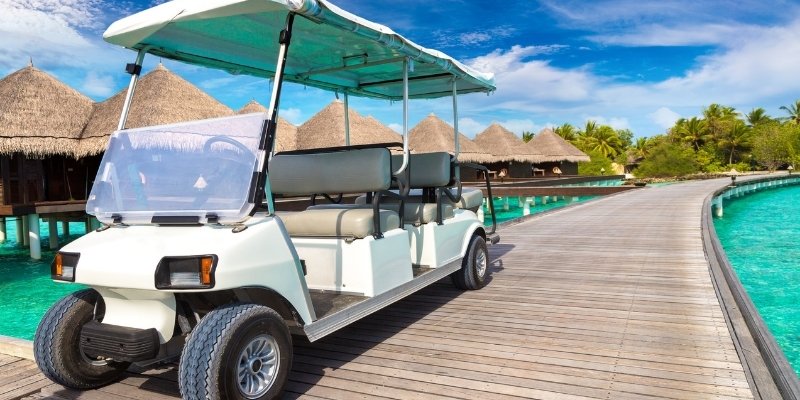
The decision to acquire a new or pre-owned vehicle for navigating neighborhoods, recreational properties, or expansive private grounds often begins with a simple realization: walking or driving a full-sized automobile is either impractical or inefficient for the task at hand. Whether you are moving light equipment, traversing community paths, or simply enjoying the outdoors, selecting the right equipment involves more than just picking a color or a model name. It requires an understanding of how these vehicles are powered, how they perform on different terrain, and what kind of long-term maintenance they will require.
Why Selecting the Right Utility Vehicle Can Be Challenging
The market for small, versatile utility vehicles has grown significantly, which brings both benefits and complications. For a prospective owner, the sheer variety of available models can feel overwhelming. There are vehicles designed specifically for flat, manicured surfaces and others engineered with higher ground clearance and rugged tires for uneven terrain. Additionally, the distinction between battery-powered electric models and internal combustion engines introduces a fundamental choice that impacts not just how the vehicle performs, but how it fits into your daily routine.
It is easy to assume that any vehicle within a certain category will perform similarly. However, the trade-offs between speed, torque, range, and longevity vary from one design to another. Making a hasty choice without considering how the vehicle will be used—and where it will be stored—can lead to dissatisfaction or the need for premature upgrades. A thoughtful approach prioritizes your specific environmental conditions and personal maintenance capacity over the appeal of a particular look or entry-level price point.
How the Power System Determines Your Experience
The most significant decision you will face is choosing between an electric power system and a traditional fuel-based engine. This choice influences nearly every aspect of the ownership experience, from the noise level during operation to the complexity of your maintenance schedule.
Electric models are frequently favored for their quiet operation and lack of exhaust emissions, making them ideal for residential neighborhoods, serene garden settings, or indoor-outdoor venues where silence is preferred. These vehicles typically rely on a battery bank that must be charged regularly. The primary consideration here is the availability of a reliable power source where the vehicle is stored. Over time, battery performance can shift, and owners should be prepared for the eventual need to test or replace the power cells to maintain optimal range.
Conversely, fuel-powered vehicles offer the convenience of instant refueling. For users who need to cover significant distances over a long day or who do not have easy access to an electrical outlet in their storage area, these engines provide consistent power regardless of how many hours the vehicle has been in use. These models do require more traditional mechanical maintenance, such as oil changes and filter replacements, similar to other small engine equipment.
Key Factors That Influence Your Long-Term Satisfaction
Beyond the engine type, several secondary features dictate how well a vehicle will serve you over the long term. These factors should be weighed carefully before making any commitment to a specific model.
First, consider the suspension and tire configuration. If you intend to use the vehicle on paved paths or smooth lawns, a standard suspension is often sufficient. However, if your property includes gravel paths, steep inclines, or unmaintained ground, you may find that a model with an upgraded suspension and terrain-appropriate tires provides a much smoother, safer ride.
Second, consider the utility features. Does the vehicle have a cargo bed for hauling tools or landscaping supplies? Is the seating configuration adequate for the number of passengers you typically carry? Think about whether you require a weather enclosure for rainy days or specific lighting packages if you plan to operate the vehicle after dusk. These additions can drastically improve the functionality of the vehicle, but they are often easier to integrate during the initial selection rather than through retrofitting later.
Lastly, think about the local support ecosystem. Even the most reliable equipment occasionally requires professional service. Knowing that there are golf carts dealers near me who can provide routine inspections, offer genuine parts, and handle necessary repairs is a major advantage. A relationship with a local provider often simplifies the process of finding the right parts or scheduling a service check-up before the busiest season begins.
Practical Ways to Approach Your Purchase
When you are ready to explore your options, moving from general research to practical evaluation is the most effective next step. Instead of looking at catalogs alone, seek out opportunities to see how these machines feel in motion.
Start by visiting local showrooms to speak with representatives. Ask them questions about how different models handle the specific terrain you intend to cover. If you have a hilly property or heavy loads to transport, be transparent about those requirements so they can steer you toward vehicles with appropriate power and braking capabilities.
When engaging with golf carts dealers near me, do not hesitate to ask about their service department. A reputable seller should be able to explain how they handle maintenance, whether they offer on-site service calls, and how they assist customers with seasonal storage preparation. This transparency is a strong indicator of a partner who values your long-term success with the equipment.
Consider also the value of pre-owned inventory. Many well-maintained vehicles have plenty of operational life left and can be an excellent way to acquire a more robust model than your budget might otherwise allow. When considering a used vehicle, inquire about its maintenance history, the age and current health of the batteries (for electric models), and any records of major service work performed.
Finally, remember that the goal of purchasing a club car golf cart or similar utility vehicle is to simplify your movement and enhance your efficiency. By focusing on the structural design, the power system, and the availability of local support, you can ensure that your choice provides years of reliable, trouble-free operation. Taking the time to evaluate these variables upfront—rather than rushing the selection process—is the surest way to find a vehicle that fits perfectly into your lifestyle and property needs. Consider your own unique environment as your primary guide throughout the search.


